Heart Problems: Living in a green environment reduces heart related diseases
Heart Problems: Living in a green environment reduces heart related diseases
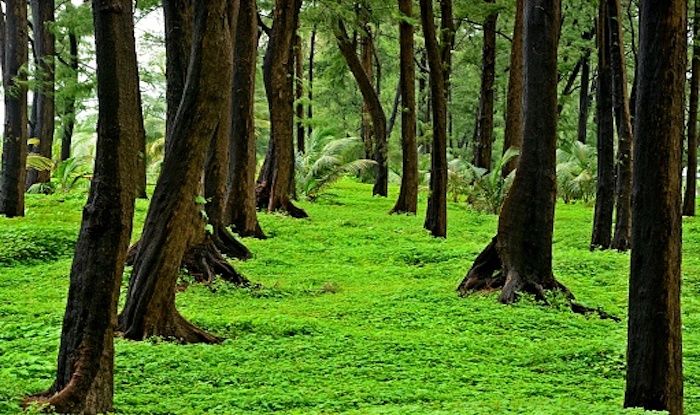
Heart Problems: If you live in green areas then you are less likely to develop heart disease. This matter has come to light in a new study.
Also Read : Heart Problems: Living in a green environment reduces heart related diseases
The findings of this research indicated that residents of blocks with high greenery were 16 percent less likely to develop any new cardiovascular conditions than those in blocks with low green throughout the study.
This research was done at the University of Miami, USA. Lead researcher William Aitken said, "When an area maintains high greenness and when greenness increases, higher levels of greenness are associated with lower rates of heart conditions and stroke over time."
Aitken said, "It was remarkable that these relationships appeared in only five years, a relatively short period of time for positive environmental impact."
Also Read : Desi Ghee Ke Fayde: You know these 10 amazing benefits of eating Desi Ghee!
For the study, the team included 2,43,558 US Medicare beneficiaries aged 65 and older who lived in the same area of Miami from 2011 to 2016.
Medicare records were used to obtain the incidence of new heart conditions, including heart attack, atrial fibrillation, heart failure, ischemic heart disease, hypertension and stroke/transient ischemic attack, during the five-year study.
Satellite images were used to estimate the amount of visible and near-infrared (invisible) sunlight reflected from Earth's surface. Chlorophyll from plants usually absorbs visible light and reflects near-infrared light, so measuring both gives an indication of the amount of vegetation.
Participants were classified on the basis of whether they lived in blocks with low, medium or high greenery in 2011. The process was repeated in 2016 for the same residents and greening of their blocks.
The team analyzed the odds of developing any new heart disease and the number of new heart conditions based on block-level greenness.
Among participants who developed a cardiovascular condition during follow-up, areas with high greenness developed 4 percent fewer new diseases than blocks with low greenness.


Comments
Post a Comment